[Get the best value microwave bottle sterilizer on Amazon today!]
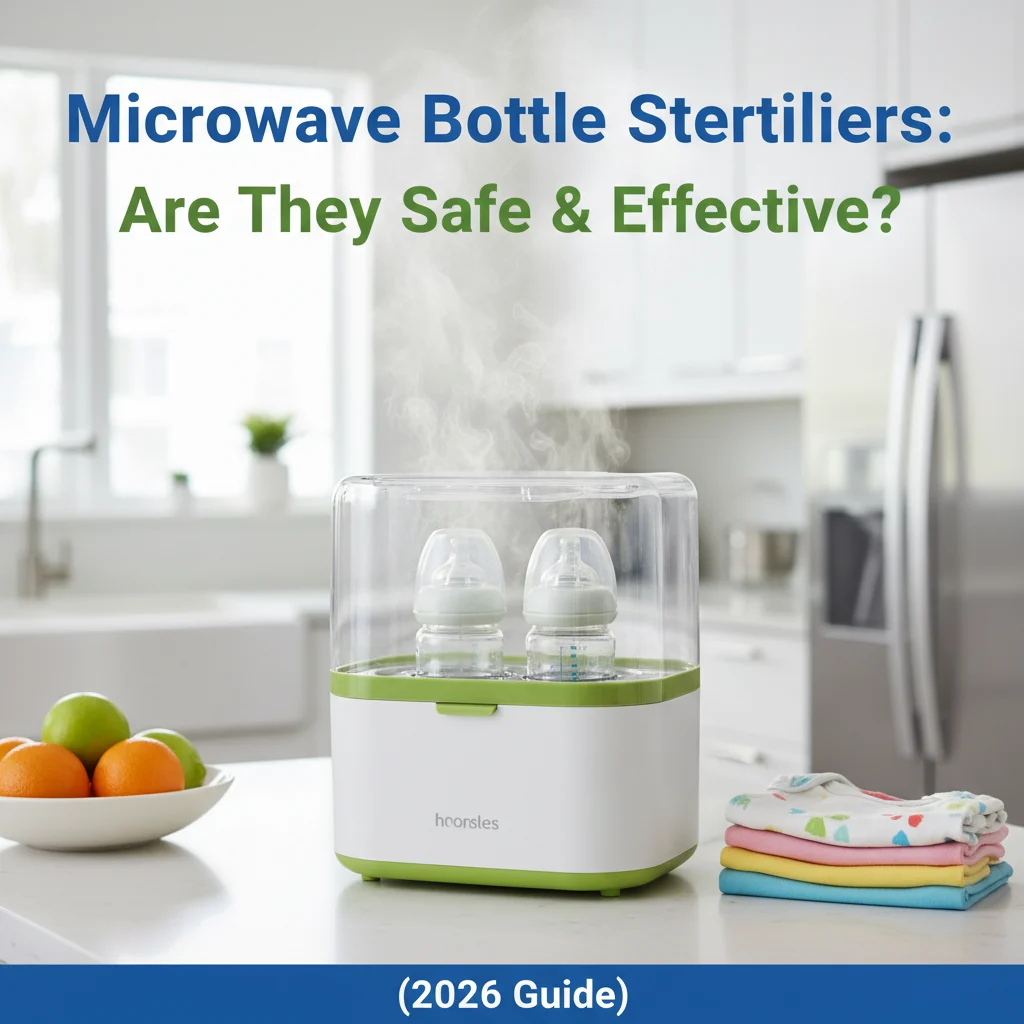
# Microwave Bottle Sterilizers: Are They Safe & Effective? (2026 Guide)
Are you a new parent wondering about the best way to keep your baby’s bottles clean and safe? You’re probably exhausted, overwhelmed, and just want a simple solution. Microwave bottle sterilizers have become increasingly popular, promising a quick and convenient way to eliminate harmful bacteria. But are they really safe and effective? This guide will give you a clear answer, cutting through the marketing hype to provide you with the information you need in 2026.
[Browse top-rated microwave bottle sterilizer on Amazon]
## The Appeal of Microwave Bottle Sterilizers
Let’s face it: parenthood is messy. Between feedings, diaper changes, and trying to catch a few hours of sleep, the last thing you want to do is spend ages sterilizing bottles. Microwave sterilizers offer the allure of speed and simplicity. Just add water, load up the bottles, pop it in the microwave, and voila! Supposedly, clean and sterile bottles in minutes.
However, the crucial questions remain:
* Do they *actually* kill all the harmful bacteria?
* Are there any safety concerns to be aware of?
* Which sterilizers are the best options available?
We’re going to dive deep into these questions so you can make an informed decision.
[Browse top-rated microwave bottle sterilizer on Amazon]
## How Microwave Bottle Sterilizers Work
Microwave bottle sterilizers use steam to kill bacteria. You add a specific amount of water to the sterilizer, place the bottles and accessories inside, and then microwave it for a set amount of time, as directed by the manufacturer. The steam generated inside reaches high temperatures, effectively sanitizing the contents.
This method is designed to eliminate common household germs and bacteria that can cause illness in infants, such as E. coli, Salmonella, and Staphylococcus. But the effectiveness hinges on proper use, so let’s discuss that next.
[Browse top-rated microwave bottle sterilizer on Amazon]
## Are Microwave Bottle Sterilizers Safe?
Safety is paramount when it comes to anything involving your baby. Here’s a breakdown of the key safety considerations for microwave bottle sterilizers:
* **BPA and Phthalates:** Ensure the sterilizer is made from BPA-free and phthalate-free plastic. These chemicals can leach into the bottles and potentially harm your baby. Look for certifications on the product packaging.
* **Overheating:** Always follow the manufacturer’s instructions regarding water levels and microwave time. Overheating can warp the plastic, damage the microwave, or even cause burns.
* **Handling Hot Steam:** Be extremely careful when removing the sterilizer from the microwave. The steam inside is scalding hot and can cause serious burns. Allow it to cool for a few minutes before opening. Use oven mitts or pot holders to protect your hands.
* **Microwave Compatibility:** Check that the sterilizer is compatible with your microwave size and wattage. Some sterilizers may be too large for smaller microwaves or require specific wattage settings.
* **Material Degradation:** While microwave sterilizers are generally safe, repeated use can cause the plastic to degrade over time. Inspect the sterilizer regularly for cracks or damage and replace it if necessary.
* **Proper Cleaning:** Clean the sterilizer regularly to prevent mineral buildup and bacterial growth. Follow the manufacturer’s cleaning instructions.
[Browse top-rated microwave bottle sterilizer on Amazon]
## Are Microwave Bottle Sterilizers Effective?
The effectiveness of a microwave bottle sterilizer depends on several factors:
* **Following Instructions:** The most common reason for ineffectiveness is not following the manufacturer’s instructions precisely. Always use the correct amount of water and microwave for the recommended time.
* **Microwave Wattage:** Microwave wattage varies, so you may need to adjust the sterilization time accordingly. If your microwave has lower wattage, you may need to increase the time slightly.
* **Bottle Preparation:** Bottles should be thoroughly cleaned *before* sterilization. Sterilization kills remaining bacteria, but it doesn’t remove milk residue or other debris.
* **Sterilizer Maintenance:** Regular cleaning and descaling are essential to maintain the sterilizer’s effectiveness. Mineral buildup can reduce steam production and hinder sterilization.
* **Independent Testing:** Look for sterilizers that have been independently tested and certified to meet safety and efficacy standards.
[Browse top-rated microwave bottle sterilizer on Amazon]
## Choosing the Right Microwave Bottle Sterilizer
With so many options on the market, selecting the right microwave bottle sterilizer can feel overwhelming. Here are some key features to consider:
* **Capacity:** Consider how many bottles you need to sterilize at once. Sterilizers come in various sizes, from compact models that hold 2-3 bottles to larger models that can accommodate 6 or more.
* **Bottle Compatibility:** Ensure the sterilizer is compatible with the types of bottles you use, whether they are standard, wide-neck, or angled.
* **Microwave Size:** Measure your microwave’s interior dimensions to ensure the sterilizer will fit comfortably.
* **Sterilization Time:** Look for a sterilizer that offers a quick sterilization cycle, typically between 2 and 10 minutes.
* **Ease of Use:** Choose a sterilizer that is easy to load, unload, and clean. Look for features like removable trays and dishwasher-safe parts.
* **Automatic Shut-Off:** An automatic shut-off feature provides added safety by turning off the microwave when the sterilization cycle is complete.
* **Storage:** Some sterilizers can also be used to store bottles after sterilization, keeping them sterile until you’re ready to use them.
[Browse top-rated microwave bottle sterilizer on Amazon]
## Recommended Microwave Bottle Sterilizers for 2026
While specific models may change over time, here are some features and brands known for quality and effectiveness. Always check the latest reviews and product specifications before purchasing.
### Philips Avent Microwave Steam Sterilizer
* **Best For:** Overall performance and ease of use.
* **Key Features:** Lightweight design, fits most microwaves, sterilizes in 2 minutes, holds up to 4 bottles, keeps contents sterile for 24 hours if unopened.
* **Why We Like It:** The Philips Avent sterilizer is a consistently top-rated choice. It’s quick, efficient, and easy to clean. Its compact design makes it ideal for smaller kitchens.
### Dr. Brown’s Microwave Steam Sterilizer Bags
* **Best For:** Travel and occasional use.
* **Key Features:** Reusable, sterilizes in 1.5 minutes, kills 99.9% of bacteria, holds up to 6 bottles, compact and portable.
* **Why We Like It:** Dr. Brown’s sterilizer bags are a convenient option for travel or when you don’t want to invest in a full-sized sterilizer. They’re also great for sterilizing pump parts.
### Wabi Baby Touch Panel UV Sterilizer
* **Best For:** A more advanced sterilization method.
* **Key Features:** Uses UV light instead of steam, touch panel controls, sterilizes and dries bottles, holds up to 12 bottles, eliminates 99.9% of bacteria.
* **Why We Like It:** While not strictly a microwave sterilizer, the Wabi Baby UV sterilizer offers a different approach to sterilization. It’s more expensive but provides a higher level of sterilization and drying capabilities.
[Browse top-rated microwave bottle sterilizer on Amazon]
## Alternatives to Microwave Bottle Sterilizers
If you’re not convinced that a microwave sterilizer is the right choice for you, here are some alternative methods:
* **Electric Steam Sterilizers:** These sterilizers use steam to sterilize bottles but don’t require a microwave. They often have larger capacities and more features.
* **Boiling:** Boiling bottles in a pot of water for 5 minutes is a simple and effective way to sterilize them.
* **Dishwasher:** Some dishwashers have a sterilization cycle that can be used to sterilize bottles.
* **Cold Water Sterilization:** This method involves soaking bottles in a cold water solution with a sterilizing tablet or liquid.
[Browse top-rated microwave bottle sterilizer on Amazon]
## Pro-Tips and Common Mistakes
* **Always clean bottles thoroughly before sterilizing.** Sterilization kills bacteria, but it doesn’t remove milk residue or other debris.
* **Follow the manufacturer’s instructions precisely.** Using the correct amount of water and microwave time is crucial for effective sterilization.
* **Don’t overcrowd the sterilizer.** Overcrowding can prevent steam from reaching all surfaces of the bottles.
* **Allow the sterilizer to cool before opening.** The steam inside is scalding hot and can cause burns.
* **Replace the sterilizer regularly.** Repeated use can cause the plastic to degrade over time.
[Browse top-rated microwave bottle sterilizer on Amazon]
## FAQ Section
**Q: How often should I sterilize my baby’s bottles?**
A: The CDC recommends sterilizing bottles before the first use and then at least once a day, especially for babies younger than 3 months, premature babies, or babies with weakened immune systems.
**Q: Can I sterilize other baby items in a microwave bottle sterilizer?**
A: Yes, you can sterilize pacifiers, teethers, and breast pump parts in a microwave bottle sterilizer, as long as they are microwave-safe and fit inside the sterilizer.
**Q: How long do bottles stay sterile after being sterilized?**
A: Bottles will remain sterile for up to 24 hours if they are stored in a sterile environment, such as a closed sterilizer.
**Q: Is it necessary to sterilize bottles after every use?**
A: While it’s not always necessary to sterilize bottles after every use, it’s a good idea to do so if your baby is sick or if you’re concerned about contamination.
[Browse top-rated microwave bottle sterilizer on Amazon]
## Final Verdict: Are Microwave Bottle Sterilizers Safe & Effective
[Check the latest prices and deals for microwave bottle sterilizer on Amazon today!]