[Get the best value baby food organic on Amazon today!]
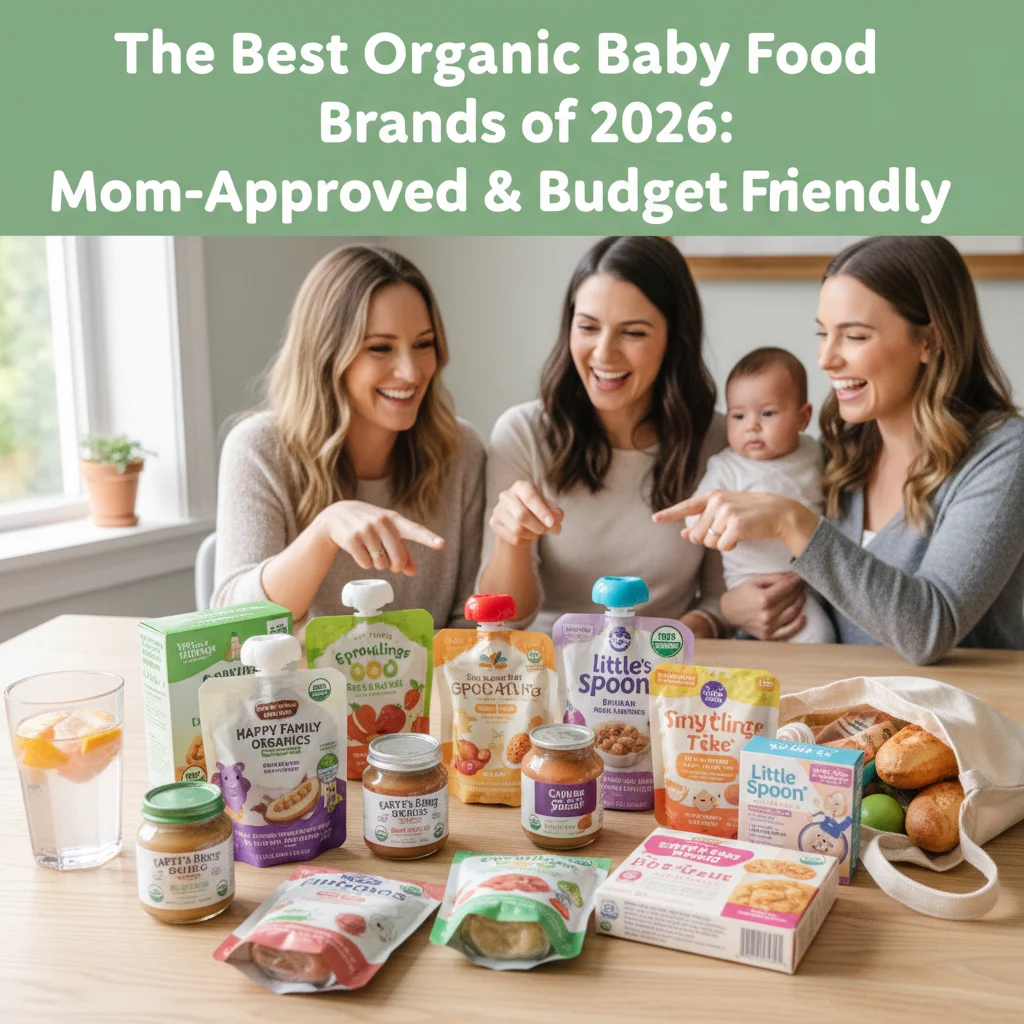
# The Best Organic Baby Food Brands of 2026: Mom-Approved & Budget-Friendly
Choosing the right baby food can feel overwhelming, especially with so many options claiming to be the healthiest. As a parent, you want the best for your little one, and that includes nutritious, organic ingredients without breaking the bank. That’s why we’ve compiled this list of the best **baby food organic** brands of 2026, carefully vetted and mom-approved for both quality and affordability. Get ready to ditch the guesswork and stock up on wholesome goodness!
[Browse top-rated baby food organic on Amazon]
## Top Picks Summary
| Brand | Best For | Why We Love It |
|——————-|———————————————-|———————————————————————————|
| Serenity Kids | Nutrient-Dense Pouches | High in healthy fats and protein, perfect for picky eaters. |
| Once Upon a Farm | Cold-Pressed Blends | Fresh, vibrant flavors and maximum nutrient retention. |
| Gerber Organic | Variety & Accessibility | Widely available and offers a wide range of single-ingredient and blended options. |
[Browse top-rated baby food organic on Amazon]
## Detailed Reviews
### Serenity Kids
**Best For:** Nutrient-Dense Pouches
**Key Features:**
* High in healthy fats from sources like olive oil and avocado oil.
* Prioritizes protein from ethically raised meats and wild-caught fish.
* Lower in sugar than many other baby food brands.
* Convenient pouch format for on-the-go feeding.
**Why We Like It:** Serenity Kids stands out for its focus on nutrient density. They understand that babies need more than just fruits and vegetables; they also need healthy fats and protein for optimal brain development. Their pouches are a great option for parents looking to provide their babies with a balanced and nourishing diet, even on busy days. They are a great option for **baby food organic**.
### Once Upon a Farm
**Best For:** Cold-Pressed Blends
**Key Features:**
* Cold-pressed to preserve nutrients and flavor.
* Made with organic fruits and vegetables.
* Unique and delicious flavor combinations.
* Refrigerated for maximum freshness.
**Why We Like It:** Once Upon a Farm uses a cold-pressing process that helps to maintain the integrity of the ingredients, resulting in a fresher, more flavorful, and more nutrient-rich **baby food organic** option. Their blends are also incredibly creative, introducing babies to a wide range of tastes and textures from an early age. While they may be a bit pricier, the quality and freshness are worth it for many parents.
### Gerber Organic
**Best For:** Variety & Accessibility
**Key Features:**
* Widely available in most grocery stores.
* Offers a wide range of single-ingredient purees.
* Blended options for different stages of development.
* Affordable and convenient.
**Why We Like It:** Gerber Organic is a classic choice for a reason. They offer a wide variety of **baby food organic** options, making it easy to find something your baby will love. Their single-ingredient purees are perfect for introducing new foods and identifying potential allergies. Plus, their affordability and accessibility make them a practical choice for budget-conscious parents.
[Browse top-rated baby food organic on Amazon]
## Buying Guide: What to Consider When Choosing Organic Baby Food
Choosing the right **baby food organic** involves more than just picking the prettiest packaging. Here are the most important factors to consider to ensure you’re making the best decision for your little one:
### Ingredient Quality and Sourcing
* **Organic Certification:** Look for the USDA organic seal to ensure the food is made with ingredients grown without synthetic pesticides, herbicides, or fertilizers. This is the most important factor when looking for **baby food organic**.
* **Ingredient List:** Scrutinize the ingredient list. It should be short and contain recognizable, whole foods. Avoid products with added sugars, salt, artificial flavors, or preservatives.
* **Sourcing Transparency:** Some brands are more transparent than others about where their ingredients come from. Look for brands that prioritize locally sourced or sustainably farmed ingredients.
### Nutritional Value
* **Age Appropriateness:** Choose foods that are appropriate for your baby’s developmental stage. Start with single-ingredient purees and gradually introduce more complex blends as they get older.
* **Macronutrient Balance:** Ensure the food provides a good balance of carbohydrates, protein, and healthy fats. Babies need all three for optimal growth and development.
* **Micronutrient Content:** Look for foods that are rich in essential vitamins and minerals, such as iron, calcium, and vitamin D.
### Stage of Development
* **Stage 1 (4-6 months):** Single-ingredient purees with a thin, smooth consistency. Common options include sweet potato, butternut squash, avocado, and peas. These are designed to introduce new flavors one at a time to check for allergies.
* **Stage 2 (6-8 months):** Slightly thicker purees and blends with more complex flavors. You can start introducing combinations of fruits, vegetables, and even meat or poultry.
* **Stage 3 (8+ months):** Chunkier textures and more complex meals with small pieces of food. This stage helps babies develop their chewing skills and prepares them for table food.
### Packaging and Convenience
* **Pouch vs. Jar:** Pouches are convenient for on-the-go feeding, while jars are often more affordable. Consider your lifestyle and preferences when choosing between the two.
* **Storage Requirements:** Some **baby food organic** options require refrigeration, while others are shelf-stable. Make sure you have adequate storage space for the food you choose.
* **Expiration Dates:** Always check the expiration date before feeding your baby.
### Allergies and Sensitivities
* **Common Allergens:** Be aware of the most common allergens, such as milk, eggs, peanuts, tree nuts, soy, wheat, fish, and shellfish. Introduce these foods one at a time and watch for any signs of allergic reaction.
* **Ingredient Sensitivity:** Some babies may be sensitive to certain ingredients, such as gluten or dairy, even if they are not allergic. Pay attention to your baby’s reaction to different foods and adjust their diet accordingly.
### Budget
* **Price per Serving:** Compare the price per serving of different **baby food organic** brands to find the most affordable option.
* **Bulk Buying:** Consider buying in bulk to save money on your favorite brands.
* **Homemade vs. Store-Bought:** Making your own baby food can be a more affordable option, but it requires more time and effort.
### Reading Labels: A Deep Dive
Understanding baby food labels is crucial for making informed choices. Here’s a breakdown of what to look for:
* **Serving Size:** Pay attention to the serving size listed on the label. This is the amount of food that the nutritional information is based on.
* **Calories:** Calories provide energy for your baby’s growth and development. Check the calorie content to ensure the food is providing adequate energy.
* **Total Fat:** Fat is essential for brain development and overall health. Look for foods that contain healthy fats, such as those found in avocados, olive oil, and nuts.
* **Saturated Fat:** Limit saturated fat intake, as it can raise cholesterol levels.
* **Trans Fat:** Avoid foods that contain trans fat, as it is unhealthy and offers no nutritional benefits.
* **Cholesterol:** Cholesterol is not a major concern for babies, but it’s still a good idea to limit intake.
* **Sodium:** Limit sodium intake, as it can contribute to high blood pressure.
* **Total Carbohydrate:** Carbohydrates provide energy for your baby’s body.
* **Dietary Fiber:** Fiber promotes healthy digestion.
* **Sugars:** Limit added sugars, as they can contribute to tooth decay and weight gain. Focus on natural sugars found in fruits and vegetables.
* **Protein:** Protein is essential for building and repairing tissues.
* **Vitamins and Minerals:** Check the vitamin and mineral content to ensure the food is providing essential nutrients.
### The Homemade Option: Is it Worth It?
Making your own **baby food organic** offers complete control over ingredients and can save money. Here’s a quick guide:
* **Benefits:**
* Cost-effective.
* Control over ingredients (organic, local, etc.).
* Avoidance of preservatives and additives.
* Potential to introduce a wider variety of flavors.
* **Drawbacks:**
* Time-consuming.
* Requires proper equipment (blender, steamer, etc.).
* Requires knowledge of food safety and storage.
If you choose to make your own, always wash fruits and vegetables thoroughly, cook them until soft, and puree them until smooth. Store homemade baby food in the refrigerator for up to 48 hours or in the freezer for up to 3 months.
### Mom-Approved Tips for Introducing Solids
* **Start Slow:** Begin with small amounts of single-ingredient purees and gradually increase the quantity as your baby gets used to it.
* **Offer Variety:** Introduce a wide range of flavors and textures to encourage healthy eating habits.
* **Be Patient:** It may take several tries for your baby to accept a new food. Don’t give up after the first attempt.
* **Watch for Allergies:** Introduce new foods one at a time and watch for any signs of allergic reaction, such as rash, hives, vomiting, or diarrhea.
* **Consult Your Pediatric
[Check the latest prices and deals for baby food organic on Amazon today!]